


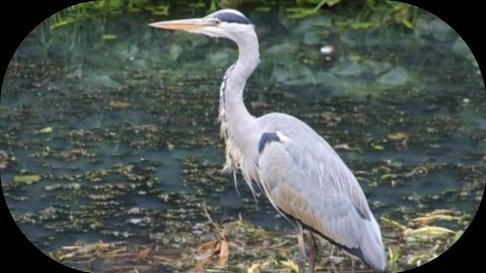
If you own a backyard pond in Oklahoma, chances are you’ve worried about pond predators at some point. Pond predators are animals that stalk and hunt the fish living in your pond — and unfortunately, they’re very good at it.
How Can You Tell If Pond Predators Are Targeting Your Pond?
The most obvious sign of a predator problem is missing fish. In some cases, homeowners even find half-eaten fish near or in the pond. Another common sign is a change in fish behavior. If your fish suddenly act frightened, hide constantly, or refuse to come out during feeding time, a predator may be lurking nearby.
Common Pond Predators in Oklahoma
In Oklahoma backyard ponds, the most common predators we encounter include:
- Owls
- Blue herons
- Cranes
- Egrets
Less commonly, you may also see raccoons, kingfishers, or — on rare occasions — beavers. To these animals, your pond represents just one thing: an easy meal.
How to Keep Pond Predators Away
Successfully protecting your pond usually requires a combination of deterrents and consistent effort. Below are proven methods that work especially well for ponds in Oklahoma.
Pond Predator Decoys
Decoys can be surprisingly effective. A heron statue may trick real herons into thinking the area is already claimed. Alligator statues can also intimidate predators by making them think a larger threat is present. Some pond owners even use plastic decoy fish, which may get snatched first — giving real fish precious time to hide.
Fish Caves (Your First Line of Defense)
Fish caves should be built into your pond from the very beginning whenever possible. These caves give fish a safe place to hide when predators are nearby. For fish caves to work properly, they must be placed deep at the bottom of the pond, not in shallow water.
Motion Sensors, Scare Devices & Water Sprayers
Motion-activated deterrents can be very effective. These aren’t your typical garden scarecrows. Some spray a sudden burst of water when movement is detected, while others trigger noise such as a radio or alarm. Predators dislike unexpected sounds and movements, making this a strong deterrent option.
Fishing Line Barriers
Fishing line strung in a crisscross pattern over the pond can prevent birds like herons from landing. When they feel resistance against their legs or wings, they usually retreat. Keep in mind, however, that this method may pose risks to other birds and should be used carefully.
Dogs: The Ultimate Predator Deterrent
A dog can be one of the most effective pond predator deterrents. Not every dog will chase wildlife, but breeds with a strong prey drive tend to work best. We often recommend bird dogs such as:
- Labradors
- Spaniels
- Pointers
- English Setters
Plant Cover
Floating plants such as water lilies help break up the surface of the pond and provide natural hiding spots for fish. This cover can slow predators down and give fish a better chance to escape.
Pond Netting
Pond netting does deter predators, but it can take away from the natural beauty of your pond. Many pond owners use netting temporarily during high-risk seasons rather than year-round.
The Most Effective Pond Predator Protection: Depth & Shelter
No deterrent works better than proper pond depth combined with fish caves.
Depth of Water Matters
A pond should be built with at least 3 feet of depth to properly protect fish from predators common in Oklahoma. Shallow ponds make fish easy targets, while deeper water gives them a chance to escape. When paired with well-placed fish caves, depth becomes the most reliable long-term defense against predators.
Stay One Step Ahead of Pond Predators
Regardless of which methods you choose, consistency and vigilance are key. Pond predators are clever and persistent, so staying proactive is crucial. If you’d like more information on pond predator deterrents or need help designing a predator-resistant pond in Oklahoma, contact us today.